
OUR VISION
How might the lower Otter Valley look in 20 years?
Imagine what we might see in the lower Otter Valley if we work to support nature, renew habitats, and allow wildlife species to increase in number and diversity. Healthy nature has its own intrinsic value and is a joy to experience; it supports our health and well-being, can benefit sustainable farming, and provides many other services to society, too.
Project vision statement
By 2046, the Heaths to Sea initiative will be nationally and internationally recognised as a leading example of how world-class nature recovery can be achieved within a thriving, productive, and populated lowland English landscape.
The Pebblebed Heaths National Nature Reserve (NNR) and its surrounding agricultural hinterlands will form a fully connected, climate-resilient ecological network; priority habitats will be restored to favourable condition and will support thriving populations of priority terrestrial, wetland, and riparian species. A new, landscape-scale wildlife reserve of international renown will provide habitat connectivity, excellent public access, and nature-rich experiences, acting as a model for conservation, sustainable land use and rural regeneration. The value of cultural heritage related to the landscape will be appreciated by all with heritage sites at risk protected.
The landscape will be ecologically functional and deliver a full range of ecosystem services, including clean water, carbon storage, soil health, pollination, and natural flood management (NFM). Degraded ecological processes will be restored, and environmental risks associated with land use will be significantly reduced through regenerative, nature-friendly farming systems.
A strong evidence-based monitoring programme, co-developed with local communities and underpinned by science, will demonstrate the ecological, economic, and social benefits of nature recovery. Land managers, communities, and policymakers will share a renewed social contract rooted in trust, collaboration, and transparency—where land use decisions, trade-offs, and benefits are clearly understood by all.
Optimism will replace past pessimism around biodiversity loss, with vibrant opportunities for people to connect with, care for, and benefit from the natural environment. The restored landscape will contribute to reversing climate change through carbon sequestration and will underpin sustainable green growth, improved health and wellbeing, and regional economic prosperity.
The illustrations below represent generic views of some of the key landscapes in our lower Otter Valley as they are today and as they might look in the future, should the Heaths to Sea Landscape Recovery Project progress to delivery. We believe these images provide a thought-provoking, exciting alternative vision for the landscape of the lower Otter catchment.
With this vision in mind, we have been working on proposals which we have recently submitted to Defra with a view to securing long-term funding for landscape recovery.
Pasture
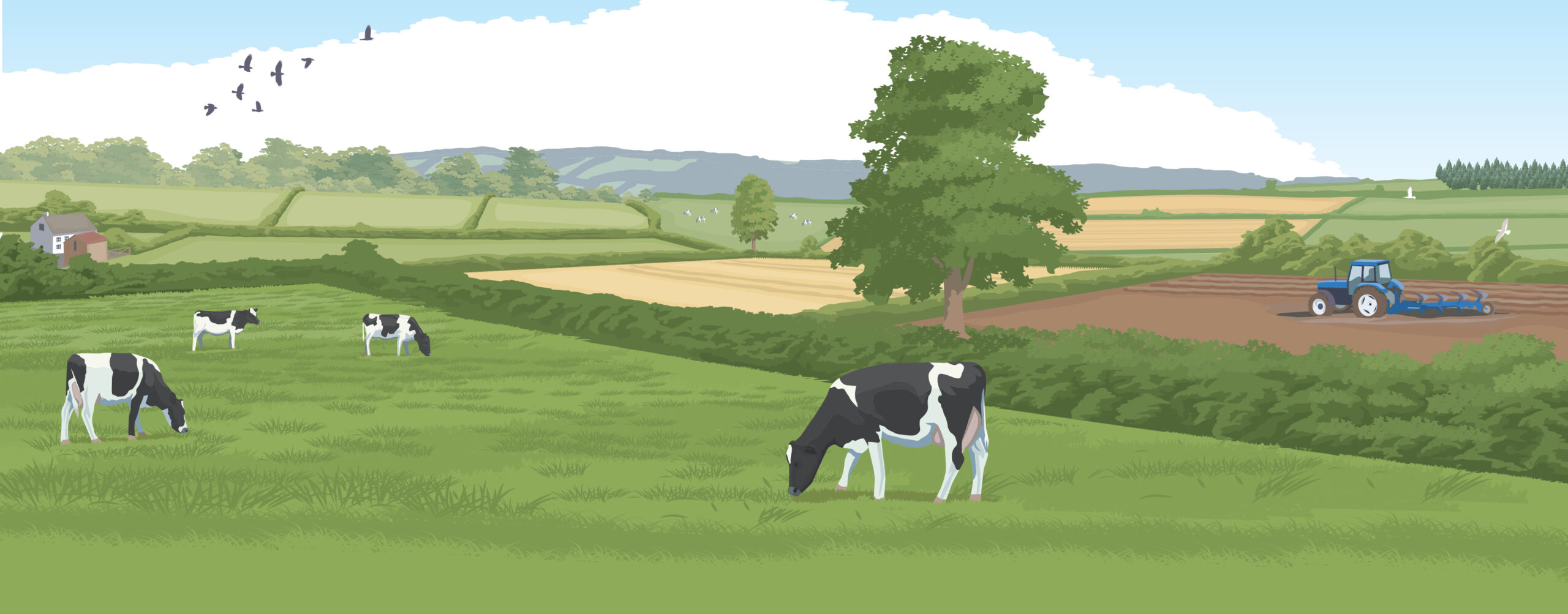
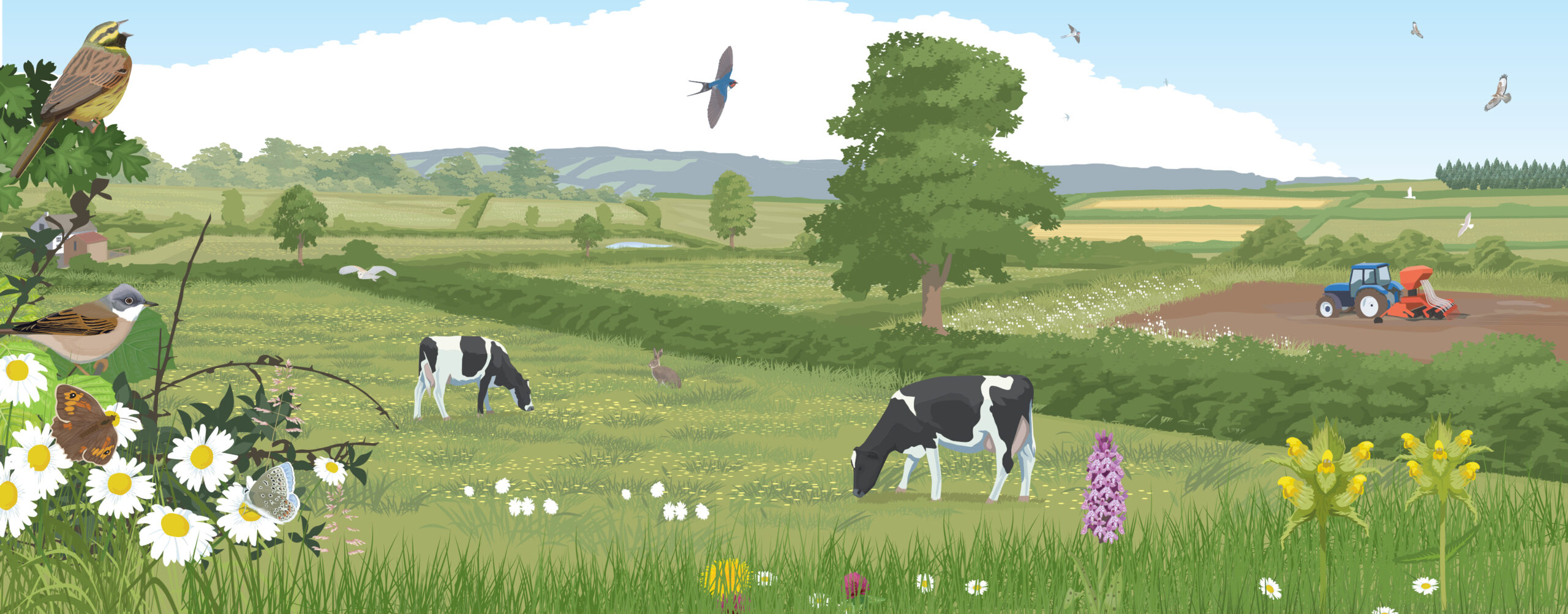
Farming and food production are essential for our nation, and much of the land in East Devon is highly productive. We believe that this land should continue to grow food. Farming can be done in a way that encourages nature to thrive. Increasing wildlife can have benefits for farming, too, by increasing the number of insects for pollination, providing natural pest control, and improving soil health, including its ability to store carbon.
The Heaths to Sea Project aspires to support and encourage more nature-friendly farming practices in the lower Otter Valley and to connect potential nature-rich areas across multiple farms. This might include setting aside areas to plant with wildflowers for pollinator insects or wild bird crops, creating ponds, and improving the quality of hedgerows. These measures will all provide a home and food for a wide range of insects, mammals, reptiles, and birds.
Tributary brooks
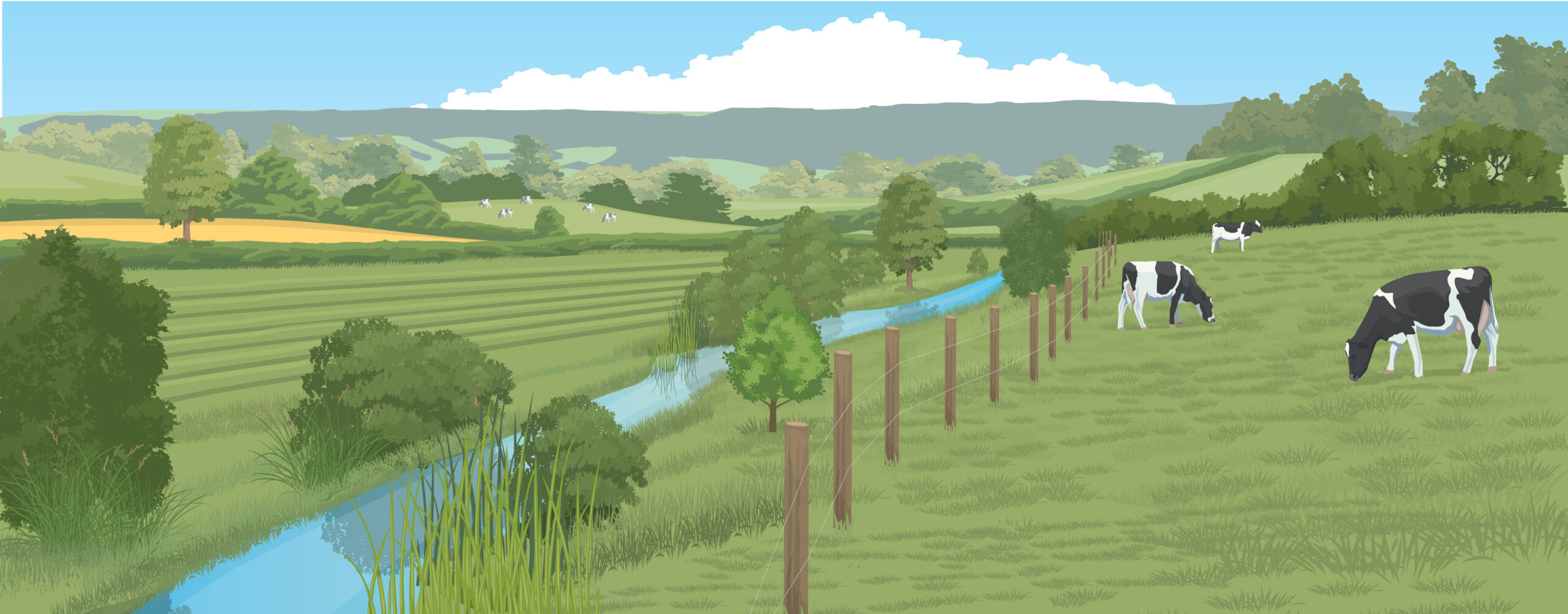
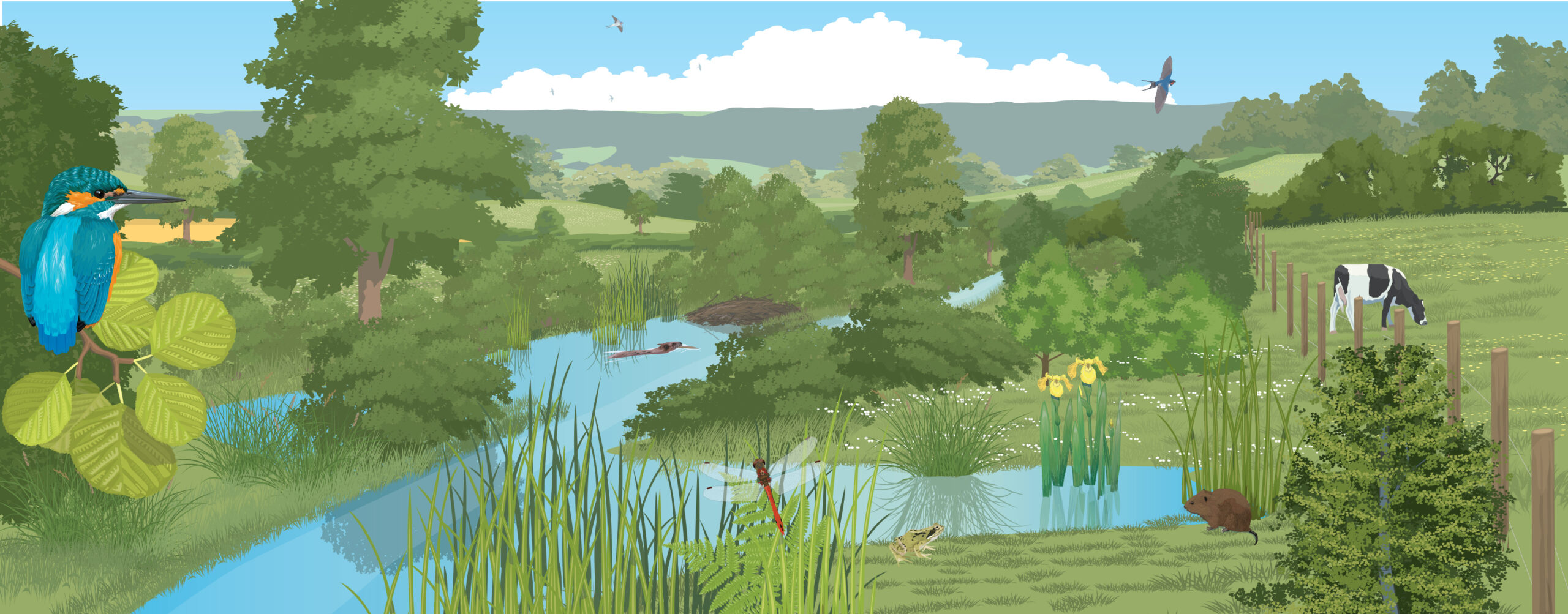
A key ambition of Heaths to Sea is to allow more space for water and associated wildlife-rich habitats, slow water flow using natural means, reduce flood risk to local communities, and minimise the impact of farming on water quality.
Potential measures to slow water flow in our brooks and streams are varied. Adding leaky woody dams has the dual benefit of supporting wildlife and is a natural flood management technique. Providing wide buffer areas alongside our streams and allowing water to be pushed out into these creates new areas of boggy ground or wet woodland habitat. These buffer areas can absorb water energy after heavy rainfall, reduce peak flows, and release water downstream more slowly, making water flow more consistent and available during dry periods and times of drought.
The newly created habitats alongside the brooks and streams will support a wide range of wildlife and provide a nature highway for wildlife to move safely from the heaths at the top of the valley to the river on the valley floor. Species like dragonflies and water voles can flourish in such habitats. These habitats will also provide buffers between farming activity and the waterways, reducing the danger of soil run off and pesticides or fertilisers leaching into the streams, which can lead to improved water quality.
River and floodplain
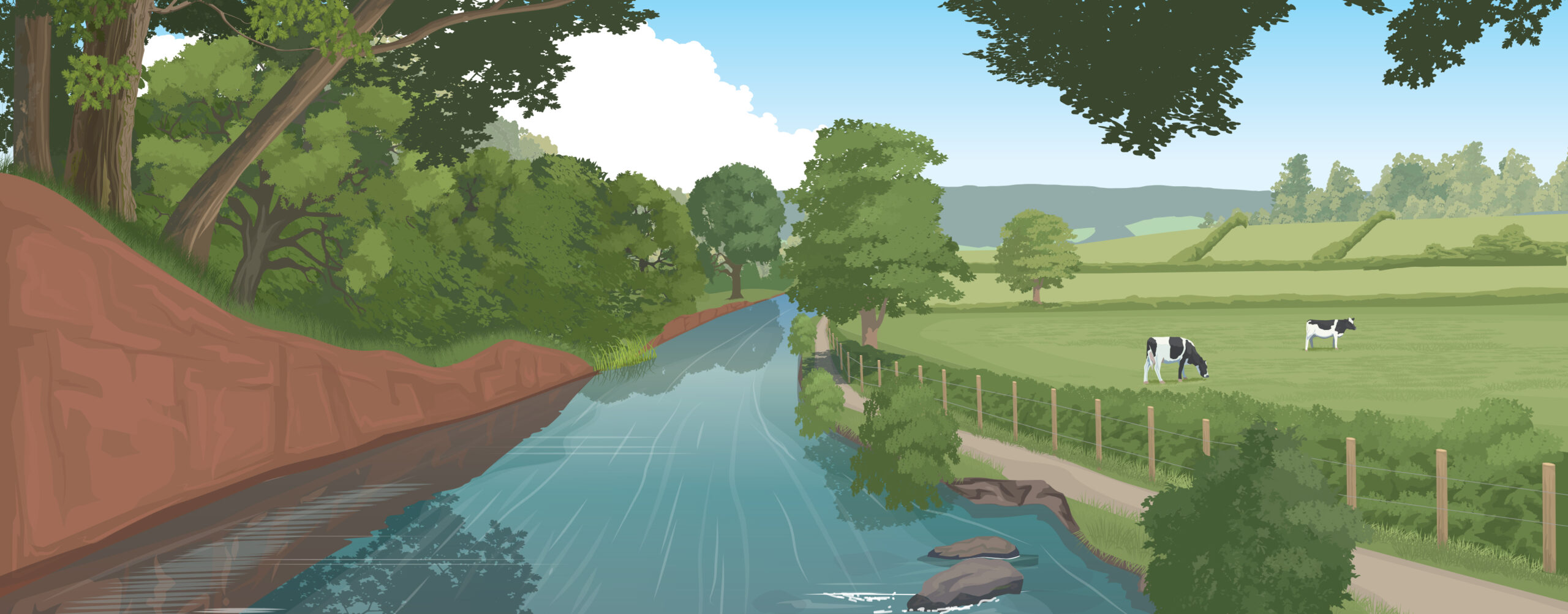
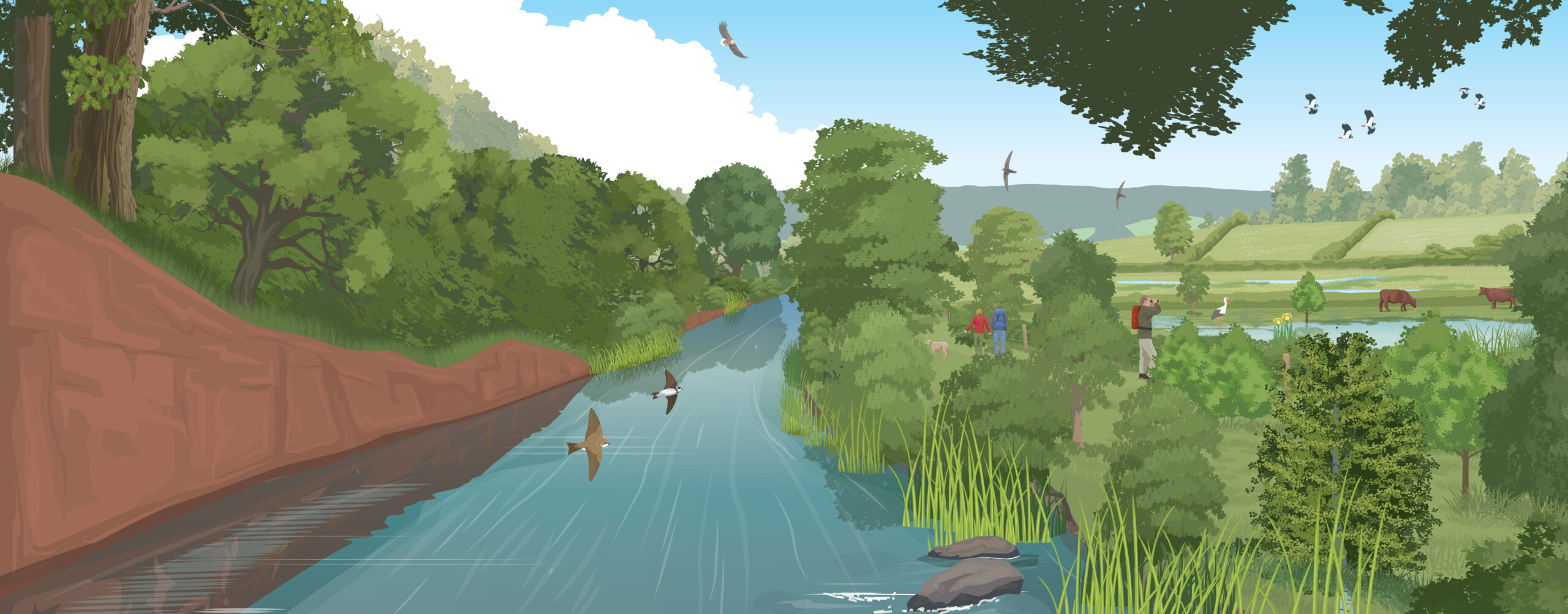
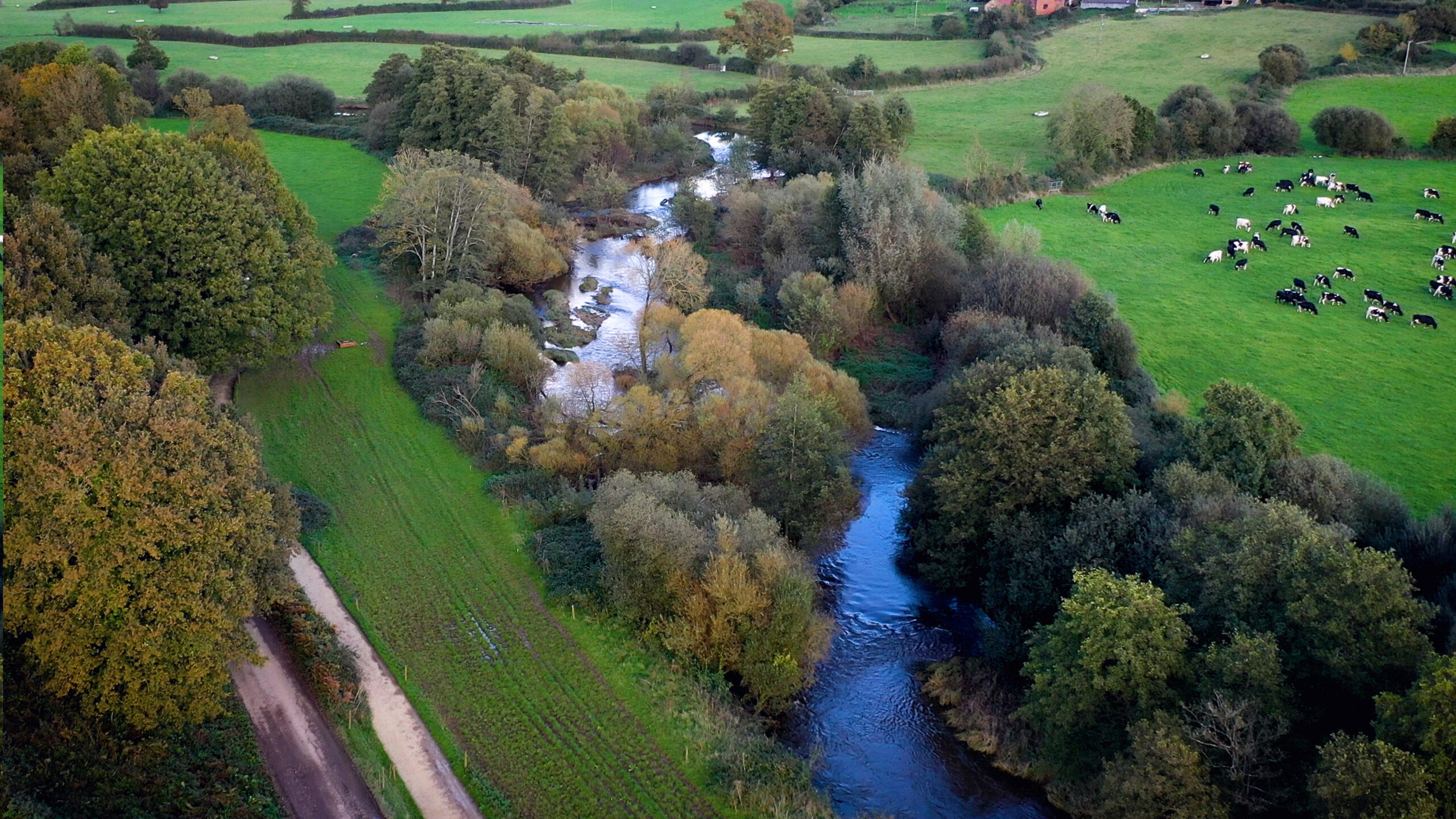
The River Otter is a dynamic river that historically changed course and had multiple channels across the valley floor. We can see that dynamism in the way the river is trying to move today, and the way it breaks out from the river channel in times of high flows and floods. This river movement and flooding are likely to increase in the next 20-30 years due to our changing climate.
The Heaths to Sea Project can help to make this a managed change, with the potential to future-proof the valley to our warmer, wetter climate. Allowing strategic reconnection of the river with floodplain fields will create areas of natural wetland and woodland, which will be of national significance for many plant and bird species. Wetland areas will store more water in the landscape, reducing the river’s water volume and speed during periods of heavy rain. The creation of woodland along the river corridor, with species such as willow, hazel, and alder, adds to species diversity and can also slow the water eroding the riverbank. A woodland corridor will also allow more space for riverside footpaths to move as the river position or water level moves.
Otterton Hill
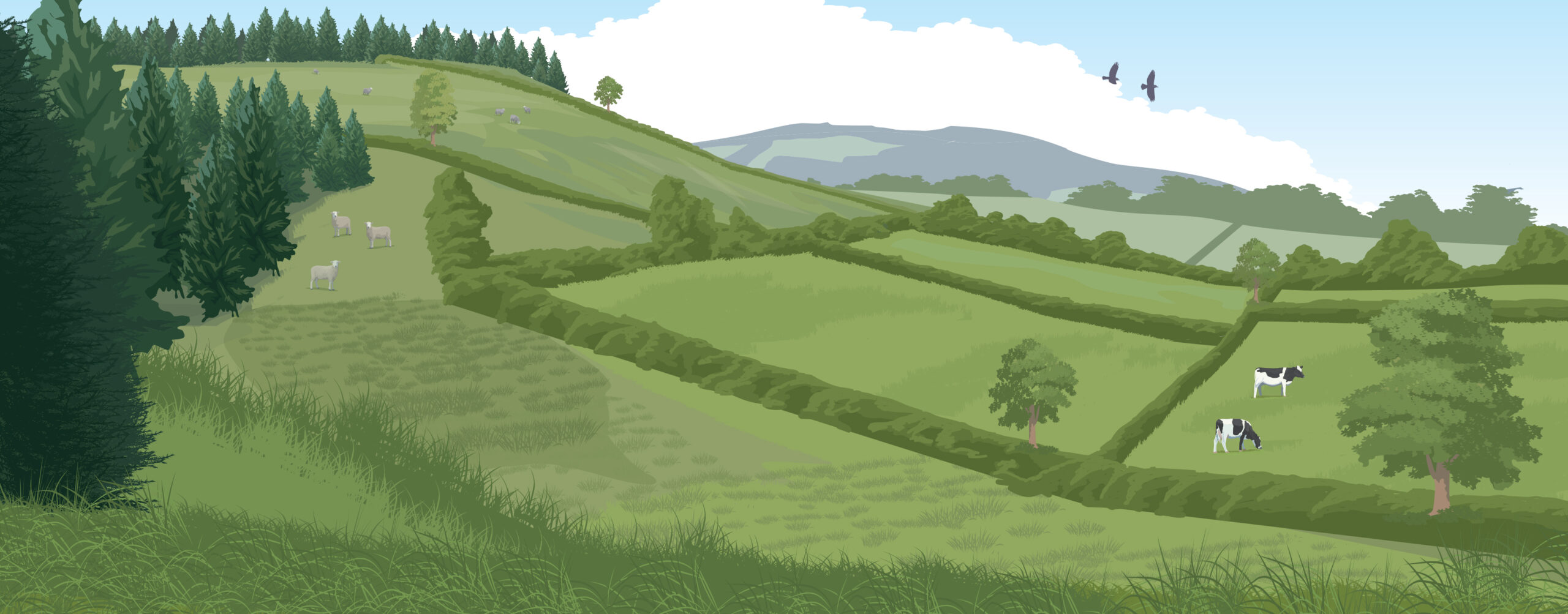
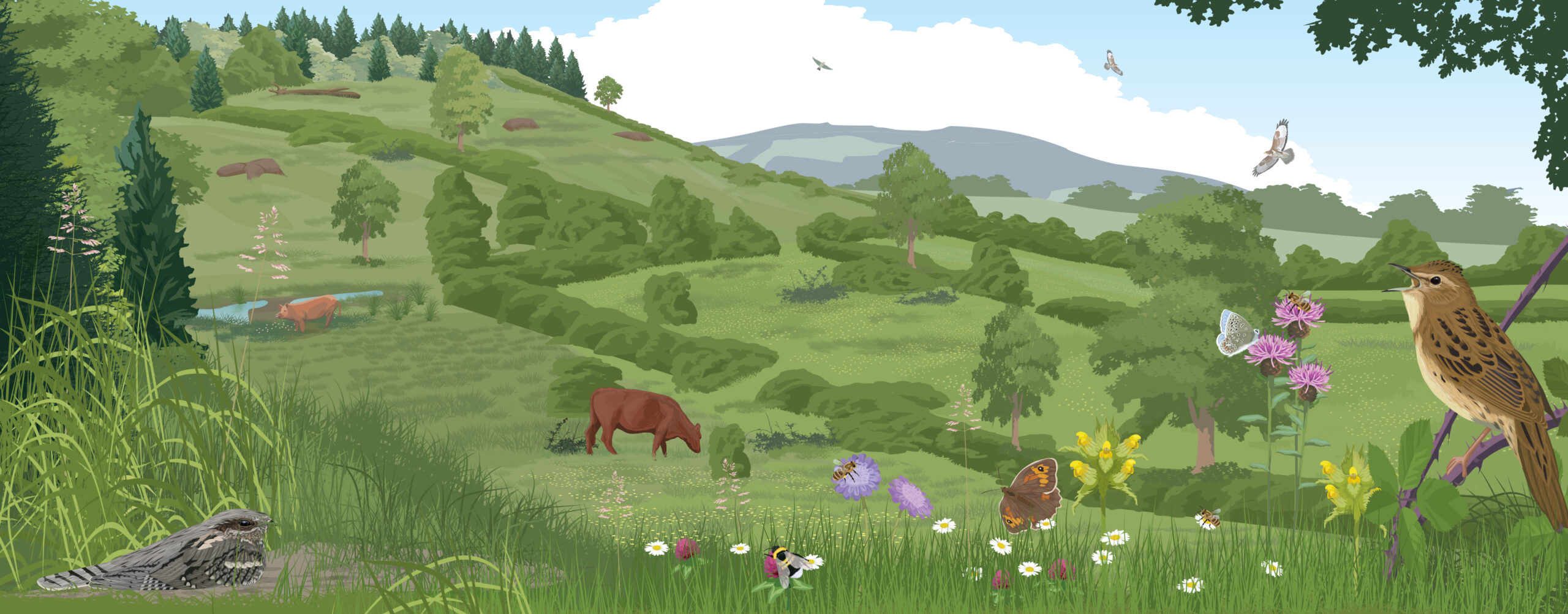
The steep hillside of Otterton Hill is currently used for grazing sheep and young dairy cows. However, it is considered less productive, from an agricultural perspective, than other areas in the catchment. This area can be transformed into a haven for wildlife. A mix of wood pasture, scrub, and meadow, with extensive grazing by traditional breeds of livestock, will support a wide array of biodiversity. Existing hedgerows can be left to grow wider and wilder, providing more hiding places for nesting birds and small mammals, including dormice. Exposed areas of rock and dead-wood piles will provide a great home for a wide range of insects, amphibians, and reptiles, as well as perfect spots for fungi to grow, providing plenty of food to support larger bird populations in the area.